Product Store Now Available for Local Pickup!
Discover Your Local Kawmix Distributors!

Husbandry

KAWMIX FEED & VALLEY FEED of SUPPLYHusbandry Education

What is Animal Husbandry?

Animal husbandry is the branch of agriculture that addresses the care, breeding, and management of domestic animals such as livestock (cattle, pigs, sheep, goats, and horses) and poultry (chickens, turkeys, ducks, and geese). It encompasses a wide variety of practices designed to optimize the production and welfare of these animals.

This includes:

  • Breeding
  • Feeding
  • Housing
  • Health Management
  • Behavioral Management

Harnessing Animal Husbandry for Optimal Feed Solutions

We recognize the critical role that animal husbandry plays in the agriculture industry. Our comprehensive approach integrates the principles of animal husbandry to deliver feed that supports your animals’ health, productivity, and welfare.

The Importance of Animal Husbandry:

Animal husbandry encompasses the essential practices of breeding, feeding, housing, and managing the health of domestic animals. By applying these principles, we ensure that our feed meets the highest standards of quality and efficiency.

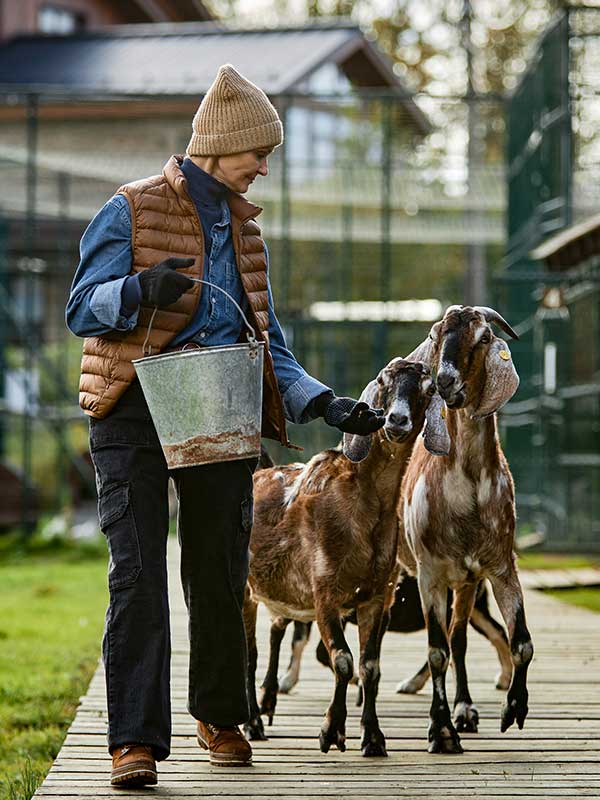
Farmer feeding goats

CATTLE

Cattle husbandry involves managing cattle for meat, milk, and leather, focusing on feeding, breeding, housing, and health. Effective practices ensure herd productivity, health, and sustainability.

Breeding + Calf

Breeding + Calf

The lifecycle of beef cattle starts with breeding and calving. Cows are typically bred to calve in the spring or fall, with a 9-month gestation period. During pregnancy, cows need a balanced diet consisting of quality hay and grass forage. If there is a shortage of forage, provide a high-protein cattle feed like Kawmix DairyPro. Access to hay or grass forage, even if of low quality, is still important to provide adequate digestible fiber in the diet.

Calf Stage: 0-4 MOS+

Weaning: 4-6 MOS+

Growing Stage 6-12 MOS+

Finishing: 12 MOS++

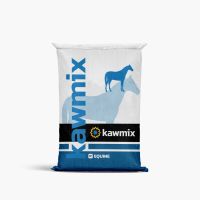
Equine

Horse husbandry, or equine husbandry, involves the care and management of horses. It focuses on feeding, grooming, training, and health to ensure their well-being and performance.

Breeding & Foaling

Breeding & Foaling

The lifecycle of a horse begins with breeding and foaling. Mares are typically bred during the spring and early summer months. The gestation period for a horse is around 11 months. During this time, the mare receives Kawmix Mare & Foal (16% protein), rich in vitamins and minerals to support the developing foal. Once the foal is born, it stays with the mare, nursing for the first few months.

Foal: 0-6 MOS+

Weanling: 6-12 MOS+

Yearling: 12-24 MOS+

2YR Old: 24-36 MOS+

Adult: 3 YRS++

Senior: 15 YRS++

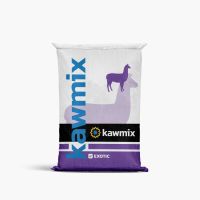
Exotic

Alpaca and llama husbandry focuses on managing these camelids' breeding, feeding, and health care. Proper care ensures their well-being, productivity, and fleece quality, supporting their roles in agriculture and as companion animals.

Breeding & Birthing

Breeding & Birthing

The lifecycle of alpacas and llamas begins with breeding and birthing. Female alpacas and llamas, called dams, are typically bred during the spring and summer, with a gestation period of about 11.5 months. During pregnancy, dams should have a balanced diet rich in vitamins, minerals, and sufficient energy to support fetal development. This often includes high-quality forage and Kawmix Alpaca/Llama 15.5% Pelleted Feed to ensure they receive all necessary nutrients.

Cria: 0-6 MOS+

Weaning: 6-8 MOS+

Growing: 8-18 MOS+

Adult: 18 MOS++

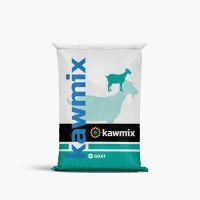
Goat

Goat husbandry includes feeding, breeding, housing, and health care. It focuses on nutrition, disease prevention, and veterinary care to optimize milk, meat, and fiber production while ensuring goat welfare and sustainability.

Breeding & Kidding

Breeding & Kidding

The lifecycle of a goat begins with breeding and kidding. (female goats, aka nanny goats) are typically bred in the fall, with a gestation period of about 150 days. During pregnancy, women have a balanced diet rich in vitamins, minerals, and sufficient energy to support fetal development. This often includes high-quality forage and Kawmix Healthy Goat 16%, which meets the nutritional needs of pregnant women. Shortly before kidding, the does are freshened (produce milk, aka “in the milk”) for their kids.

Larger goat breeds typically have from 1 to 3 kids. More miniature or dwarf breeds typically have more kids, generally from 2 to 4.

Kid: 0-3 MOS+

Weaning: 3-6 MOS+

Growing: 6-12 MOS+

Adult: 1 YR++

Poultry

Poultry husbandry involves caring for chickens, turkeys, ducks, and geese, focusing on feeding, housing, health, and breeding for productivity while ensuring biosecurity and animal welfare.

Hatchery

Hatchery

Eggs are incubated for 21 days without any need for external feeding. Once the chicks hatch, they are provided with Kawmix Chick Starter designed for their immediate post-hatch nutritional needs.

Brooding : 0-4 WKS+

Growing: 5-20 WKS+

Laying: 21 WKS-5 YRS+

Molting: ~1/YR+

Post Laying: 4+YRS+

Sheep

Sheep husbandry involves feeding, breeding, and health care, including nutrition, shearing, and disease prevention. It ensures efficient production of wool, meat, and milk while promoting animal welfare and sustainability.

Breeding & Lambing Stage

Breeding & Lambing Stage

The lifecycle of sheep begins with breeding and lambing. Ewes (female sheep) are typically bred during the fall, with a gestation period of about 150 days. During pregnancy, ewes have a balanced diet rich in vitamins, minerals, and sufficient energy to support fetal development. This often includes high-quality forage, Kawmix 18% Sheep Pellets, and whole corn to provide essential nutrients and energy for healthy lamb development.

Lamb: 0-2 MOS+

Weaning: 2-4 MOS+

Growing: 4-8 MOS+

Finishing: 8 MOS++

Adult: Breeding Rams & Ewes+

Swine

Swine husbandry focuses on feeding, housing, breeding, and maintaining pig health. Proper practices ensure nutrition, disease prevention, and optimal growth, vital for meat production, herd health, and sustainable farming.

Starter: Birth-8 mos

Starter: Birth-8 mos

Potbelly piglets need special care and the right food. Start feeding them Kawmix Pig Starter 18%, along with their mother’s milk. Mix the feed with warm water to make it easier for the piglets to eat. Keep their pen clean and warm. A potbelly sow will typically give birth to between 4 and 10 piglets.

Grower: 8 WKS-6 MOS+

Adolescent: 6 MOS-1 YR+

Adult: 1 YR++

Wildlife

Game bird and waterfowl husbandry involves the care, breeding, and management of birds for sport and conservation, aiming to ensure their health and support habitat restoration

Hatchery

Hatchery

At the hatchery, game bird and waterfowl eggs are incubated with precise control over temperature and humidity to ensure proper development. Incubation periods vary by species but typically range from 21 to 28 days for chicks, poults, ducklings, and goslings.

Brooding: 0-8 WKS+

Growing: 9-16 WKS+

Adult: 16 WKS ++

FAQ

Welcome to our FAQ section! Here, you'll find answers to common questions about animal feed, seeds, and grain. We aim to provide the information you need to make informed decisions.

At Valley Feed, we make feed for almost everything! Chickens, horses, alpacas, guinea pigs, and everything in between. Check out our Kawmix Catalog Page to see our full selection of Kawmix feeds in our retail store.

Got More Questions?

Valley Feed & Supply is Always here to Assist with your Questions about Animal Feed, Seed, and Grain. We Encourage You to Call Us Anytime—We're Eager to Support Your Agricultural Journey!